
Ti rammentiamo che le imprese che producono oli vegetali esausti sono obbligate ad iscriversi al CONOE come indicato nell’art. 233 del D.Lgs 152/2006 o in alternativa a uno dei sistemi autonomi istituiti ai sensi del comma 9 del medesimo articolo. La mancata iscrizione è punita con la sanzione amministrativa...
Read the article →
Dopo l’approvazione da parte del ministero della transizione ecologica, lo scorso 3 febbraio è stato pubblicato in Gazzetta Ufficiale il nuovo statuto del Conoe, il consorzio nazionale di raccolta e trattamento degli oli vegetali e grassi animali esausti. I destinatari della disciplina sono tutte quelle attività commerciali che, nell’esercizio...
Read the article →

Il Green New Deal, il cosiddetto “Patto Verde”, è la “risposta” dell’Unione Europea all’emergenza dei cambiamenti climatici. Si tratta di un piano d’azione volto a: promuovere l’utilizzo efficiente delle risorse passando a un’economia pulita e circolare ripristinare la biodiversità e ridurre l’inquinamento L’obiettivo concreto, quindi, consiste nel limitare l’aumento...
Read the article →
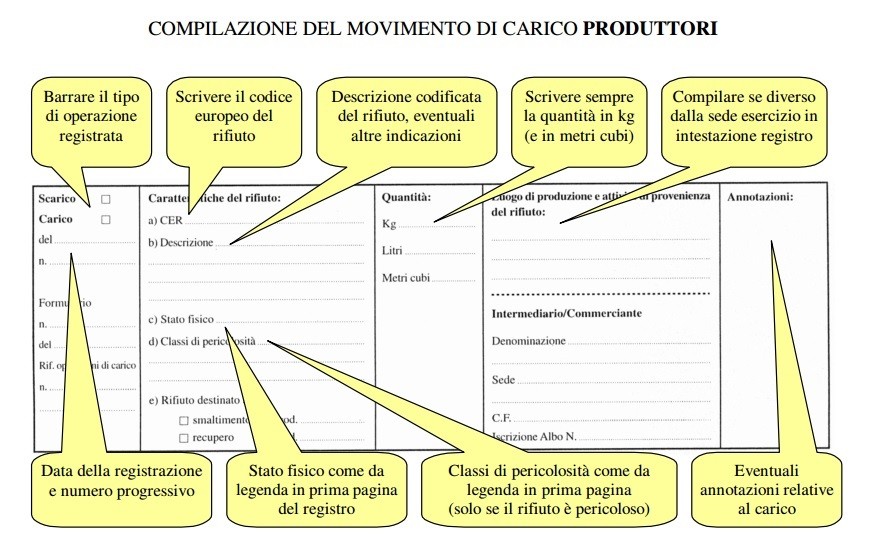
Si tratta di uno dei documenti principali inerente alla tematica dei rifiuti e contiene le informazioni sulle caratteristiche qualitative/quantitative dei rifiuti prodotti e/o gestiti. Il registro di carico e scarico, congiuntamente al formulario, costituisce prova della tracciabilità dei rifiuti, della loro produzione e del loro invio a recupero o...
Read the article →
Quale olio vegetale esausto sottoposto al recupero può entrare a far parte della filiera del biodiesel? E’ questa la domanda a cui risponderemo oggi. La Direttiva RED II 2018/2011 dovrà essere recepita dagli stati membri entro il 30 Giugno 2021. Da tale data ogni Stato membro dovrà fare in...
Read the article →If you own a restaurant, work with us to properly recycle your vegetable oils. Check out our containers and innovative services!
You can choose from 8 different types of containers based on your monthly oil production and your storage and space requirements. The containers can be placed either inside or outside your premises. If you produce large quantities of oil, we can provide you with larger tanks.
Used vegetable oils resulting from frying or food preservation are classified as hazardous waste; therefore, food service establishments that generate them must comply with certain legal requirements, which stipulate that:
For major players in the institutional food service sector, such as cafeterias and catering groups, we offer a structured, customized service for the comprehensive management of used vegetable oils.
Organized, reliable, and punctual, we utilize digital services and customized solutions to streamline the work of those in this industry.
We manage various types of waste through an integrated approach, ensuring a customized service of the highest quality. We are therefore the ideal one-stop partner for resolving any issues in this sector.
We are the ideal partner for designing and developing streamlined procedures for managing and monitoring waste streams generated by individual local units. Our consulting services help you simplify operational procedures and coordinate administrative tasks.
We are also the ideal partner for groups and franchises, as we offer a flexible and customized service tailored to the specific needs of each individual business. We provide support and technological solutions for optimal waste management, which can sometimes pose a serious challenge from both a health and logistical standpoint.
For groups and franchises, we can set up temporary storage facilities that comply with all legal requirements, tailored to the client’s specific logistical needs. Furthermore, we ensure the traceability of waste, as the collected oils are processed directly at our facility and released onto the market as a secondary raw material. Our clients thus enjoy the peace of mind that comes with a short supply chain and the certainty of knowing the final destination of their special waste.
Finally, we offer groups and franchises a number of very important additional services: from the implementation of quality procedures to assistance with the preparation of certain documents, as well as access to an expert in environmental regulations.
We specialize in the analysis, design, and management of effective, customized waste collection systems for municipalities, municipal utilities, and urban service providers. To this end, we carefully assess the specific characteristics of each local area on a case-by-case basis.
We offer various collection management options tailored to our customers' needs.
Our high-performance containers can be placed:
In addition to designing and managing the used vegetable oil collection system, we handle the cleaning of containers and provide regulatory support to local authorities, operating transparently by tracking processes and environmental documents through the web-based Shiru platform.
If stopped by law enforcement, you must be able to show that you have a container for the temporary storage of infectious waste.
Timeframe for disposing of the waste: 200 liters within 30 days.
The main services, provided by staff with specific technical and professional qualifications, include:
Thanks to Shiru, Adriatica Oli’s web-based platform, users can generate statistical analyses and reports, track waste flows, and monitor in real time all environmental documentation from various branches for each individual EWC code managed.
We offer a reliable and personalized service and manage special waste on behalf of businesses, offices, and industries.
Our goal is to streamline our clients’ operations by optimizing costs and resources. We do this by thoroughly analyzing their needs and carefully planning integrated waste management operations tailored to the specific type of waste and in compliance with environmental regulations.
Choosing Adriatica Oli means, therefore, being able to place your complete trust in industry experts with years of experience, who support and guide customers through every stage of the complex waste management process.
Integrated waste management must be preceded by the planning of all administrative and technical-logistical operational phases.
Drawing on expertise gained through years of experience, we assess and analyze our clients’ production systems, developing a comprehensive waste management strategy that enables the company to maintain full control over the entire waste disposal or recovery process over time.
The project consists of 5 phases:
We provide support for coordinating the waste recovery system and for all administrative procedures and consulting services related to environmental matters.
The main services, provided by staff with specific technical and professional qualifications, include: